
When I was fourteen my best friend and I listened to Sergeant Pepper’s until our ears bled. This year marks the fiftieth anniversary of the album’s release. A popular song on the album is When I’m Sixty-Four. Paul McCartney’s lyrics describe what it might be like when two lovers grow old together. In 1967 I thought people who were sixty-four probably needed canes and hearing aids. And now here I am.
As a teenager, I couldn’t relate to When I’m Sixty-Four. It didn’t speak to me so I would usually lift up the needle on the record player and drop it down on A Day in the Life. Now there’s a song with social significance, a satire about the news media! Like other baby boomers, born between 1946 and 1964, I challenged the status quo.
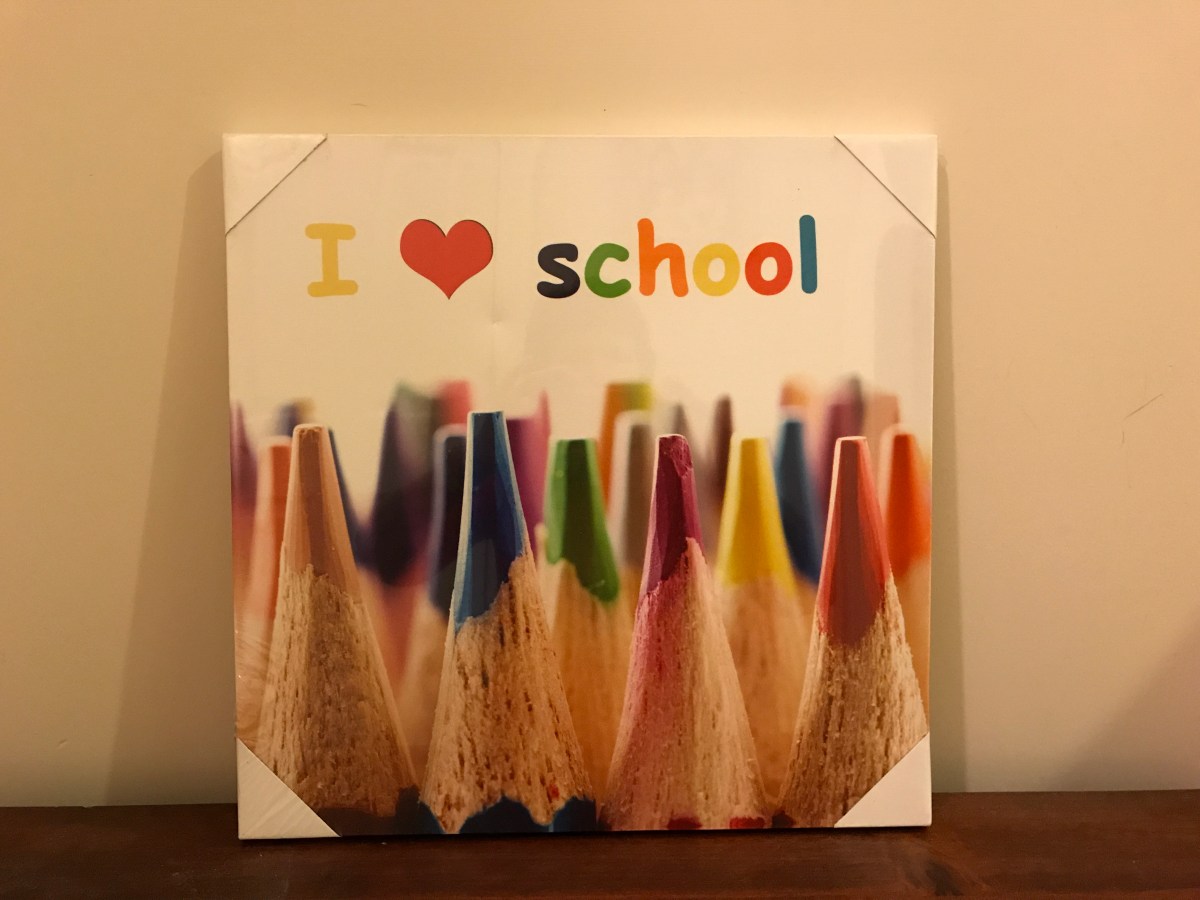
My first attempt at reforming the world occurred in 1970 when I was elected student council president of my high school. I petitioned our local school board to change the dress code to allow girls to wear “pantsuits”. Unless Ohio temperatures dropped below ten degrees Farenheit, girls were required to wear skirts or dresses. Students thought it unfair as temperatures frequently dropped below twenty, but rarely below ten. Imagine my surprise when the school board agreed with me and changed the dress policy to permit “pantsuits” (no jeans yet) year round. I was the heroine of our small community.
Baby boomers work hard to achieve their goals. When we started kindergarten in the fifties, schools were overcrowded. We had to perform well to get the teacher’s attention. When we graduated from college competition for jobs was intense. This made us competitive and ambitious. We relish achievement. Our identity is often tied to what we do.
Is that why old rockers keep on rocking? I attended a Paul McCartney concert in 2013. At age seventy-two he moved around the stage like a young man. He performed for three hours without taking a break. The concert made me feel like I had just taken a dip in the fountain of youth. Afterward I realized my life was slipping by too fast. So I left my teaching job to write and travel more. I wonder what Paul McCartney might think if he knew he inspired someone in their sixties to pursue their passion?
Like everyone, I don’t know what lies ahead. I feel good now, but what will I feel like in ten years? Twenty years? Remember my motto? I want to do as much as I can for as long as I can with no regrets. Is sixty really the new forty?
By 2029 the number of Americans over age sixty-five is expected to be 71 million (twenty percent of the population). At least I’m in good company. Although my generation is known for changing what we don’t like, aging is unstoppable. We can try to hide it with hair color and anti-wrinkle cream but time marches on.
My mother tells me, “Old age is not for the faint of heart.” It takes a certain amount of courage to accept the reality that aging brings physical decline. How will I handle old age?
“Will you still need me, will you still feed me, when I’m 84?”




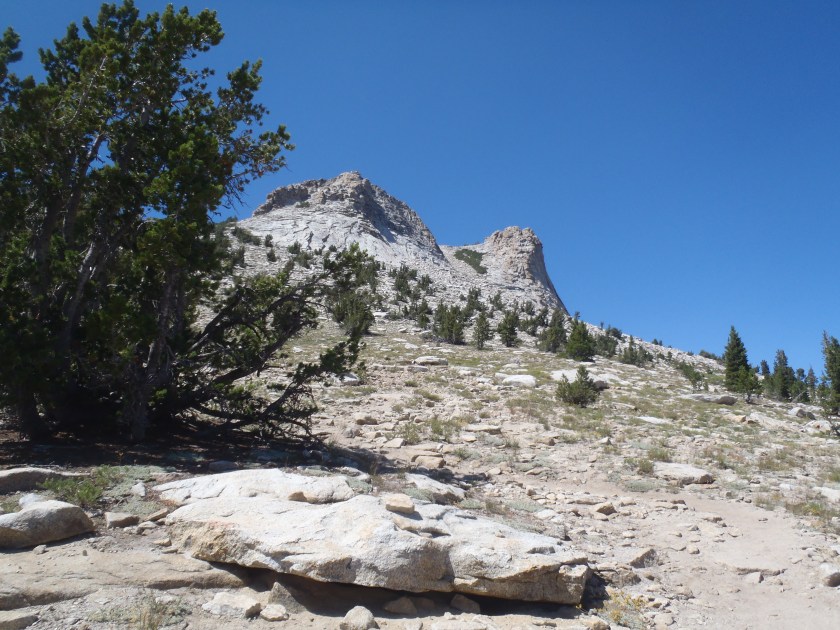
 We were completely alone. Eventually I reached an impasse, unable to continue because of loose rocks under my feet. I was fearful of falling. We took a photo of our stopping point.
 On the way back down My husband suddenly froze and pointed nearby. “Mountian lion,” Herb whispered, “Follow me.” I was silent and followed his lead. We walked a different direction away from the outcropping of rock the mountain lion was sleeping under. When we felt it was safe, we began our descent. I must say we walked a lot faster going down the mountain, than up!


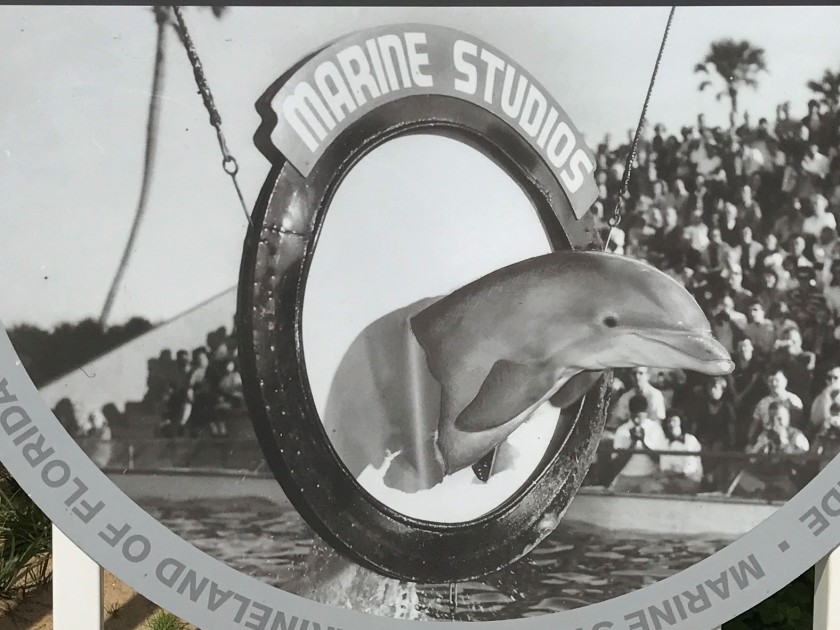

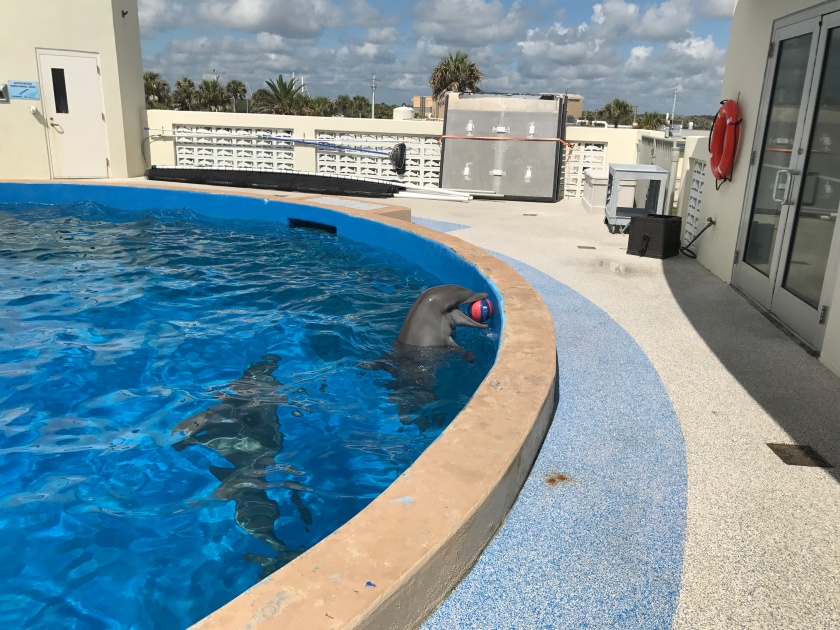
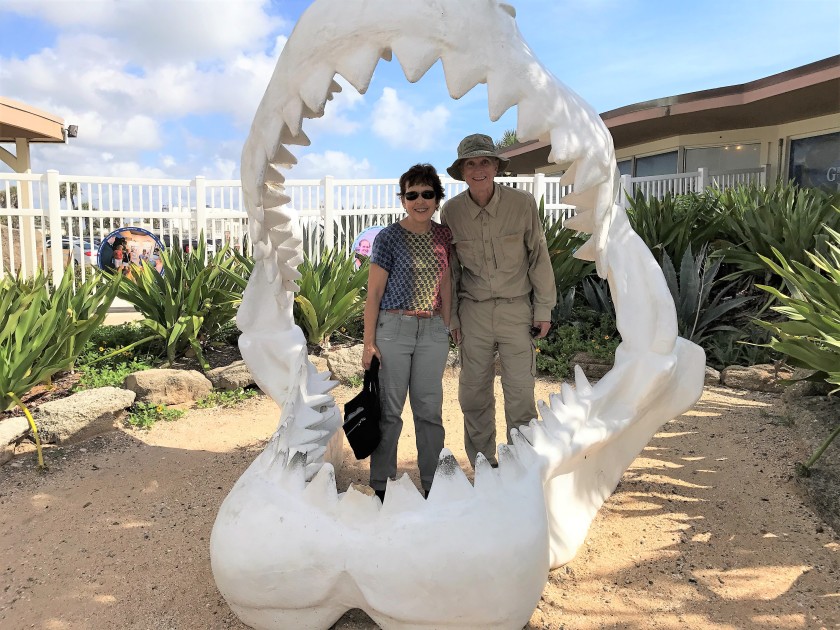


 If you visit the Citrus Tower be sure to see the


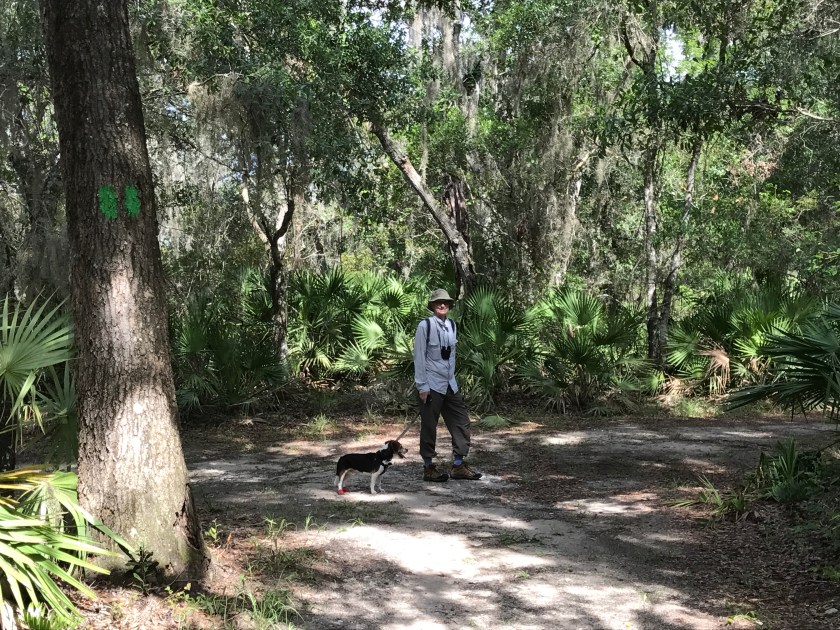


 Last week my husband and I camped at the
  The Florida Federation of Music Clubs admired Foster and obtained contributions of land in White Springs. Later a commission formed to direct the building of a 97-bell carillon on property which plays Foster’s music. The park opened in 1950, almost one hundred years after Old Folks at Home was published. Did you know Stephen Foster is considered the pioneer of American pop music? He wrote two hundred songs between 1850 and 1864. Old Susanna and Camptown Races are two of my favorites. These melodies are catchy. Once you start humming them, you can’t stop!
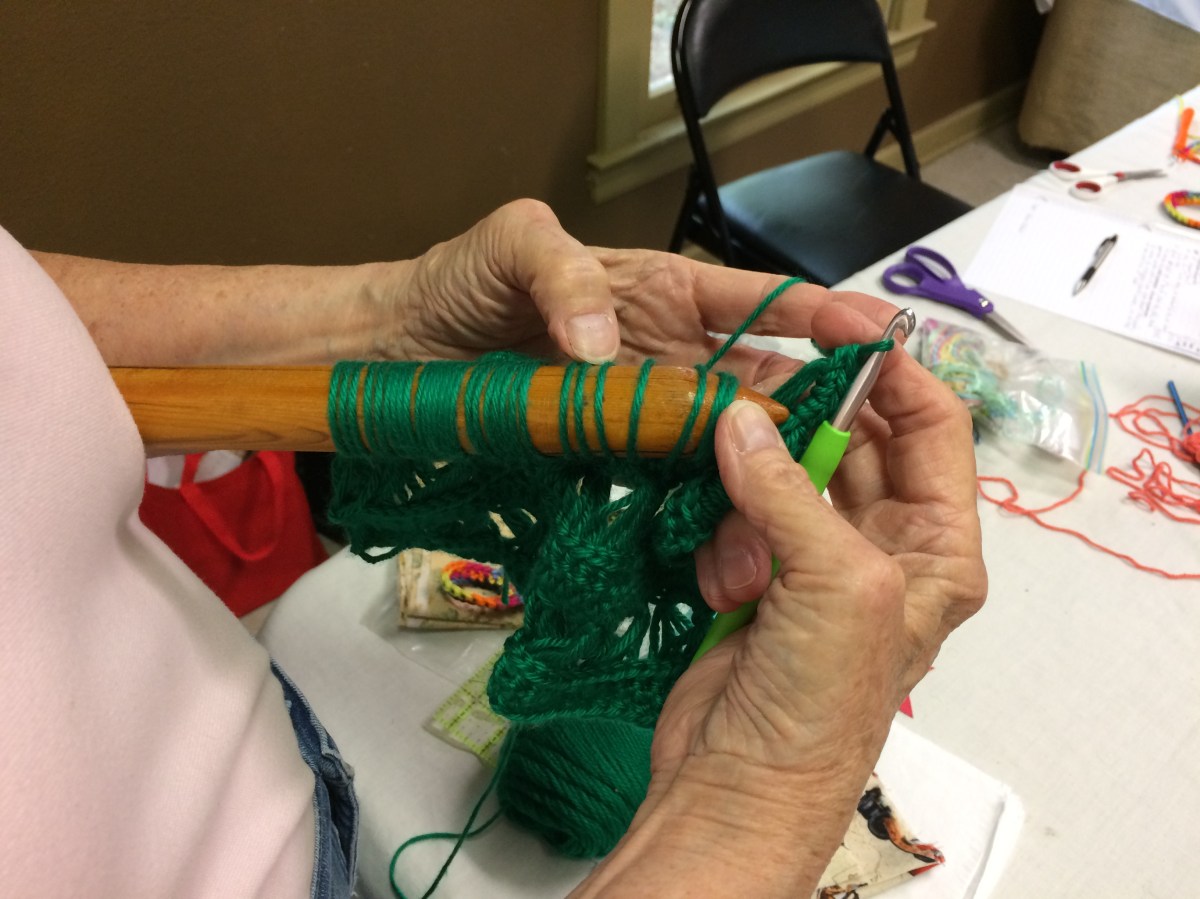
 During our stay we learned of the park’s mission to support folk art. What is folk art? Art that’s created by nonprofessionals. In America, folk art might be considered blue-collar or rural art. It can be self taught, and is often functional. Quilting, sewing, and knitting are all examples of folk art. Folk art also includes music which expresses a community’s values and identity. At the park I enjoyed meeting several folk artists who demonstrate their talent in the Craft Square.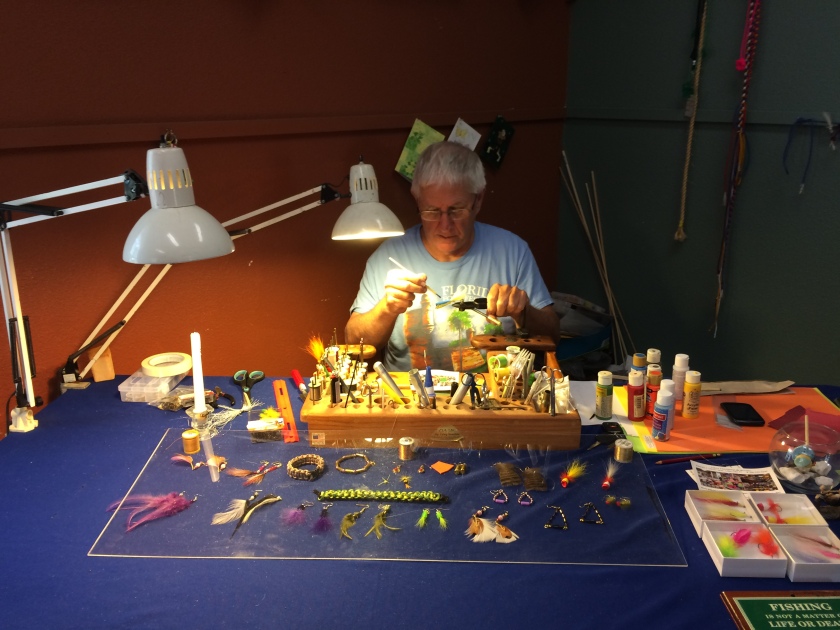
 Chris Jacobs from Miami crochets broomstick lace which can be worn as a scarf.
 Marie Longo sews baby quilts for the Pregnancy Care Center of White Springs.
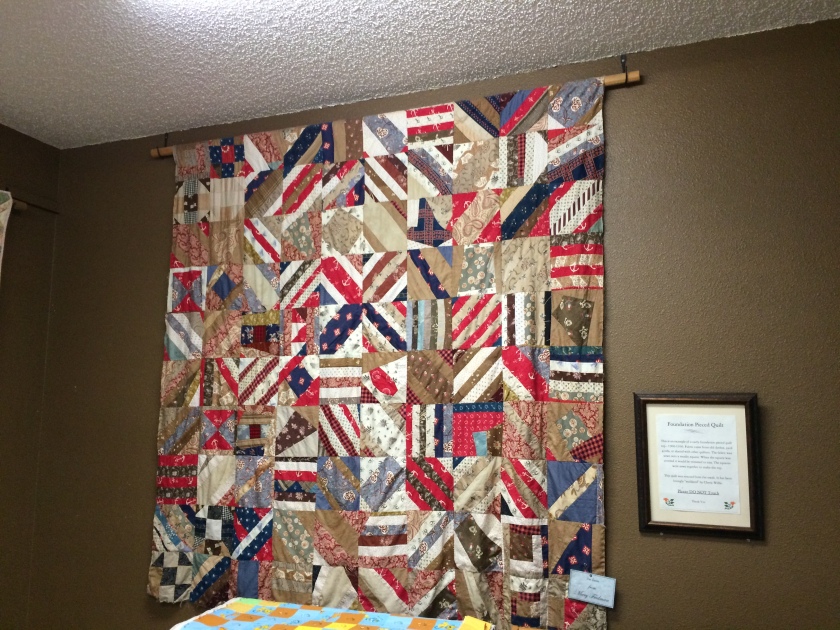 A quilt top hangs on the wall of the fabric arts cottage. Someone rescued it from a dumpster in Live Oak. This quilt top was sewn from remnants of old clothing thought to be over one hundred years old.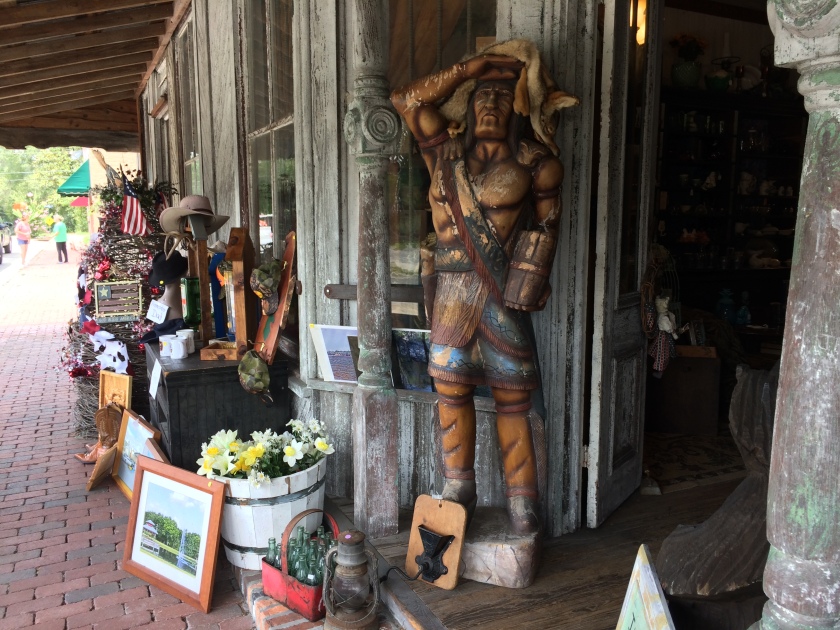
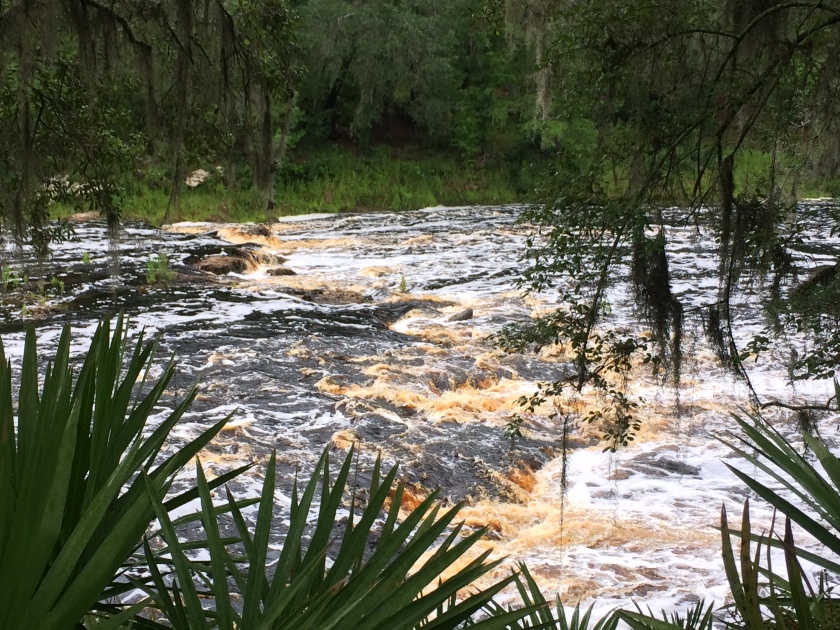
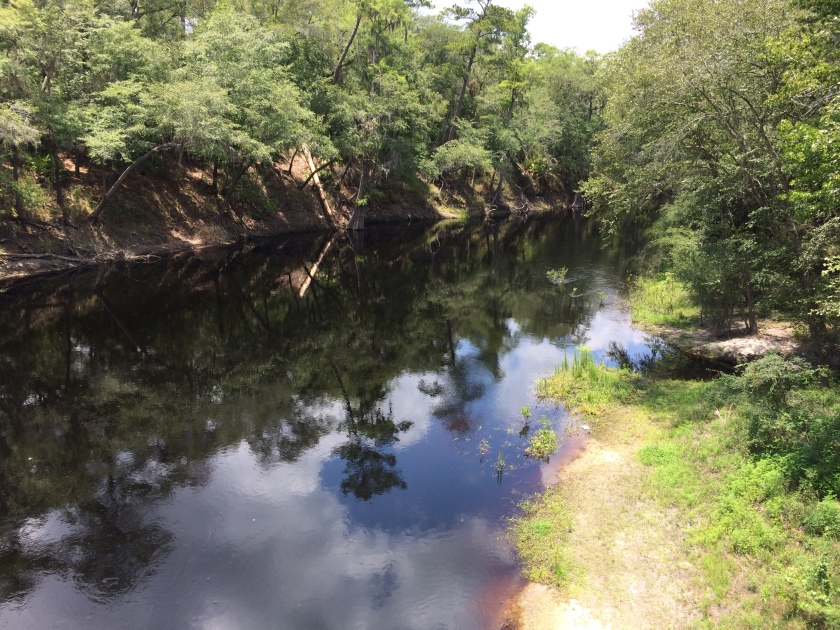 The Suwannee is considered a black water river. Originating in Georgia, the river flows south through forested swamps. Decayed vegetation stains the water the color of coffee. At Big Shoals, located outside of White Springs, a nine foot drop in elevation creates class three rapids. Here, the natural brown color of the water is more evident.