

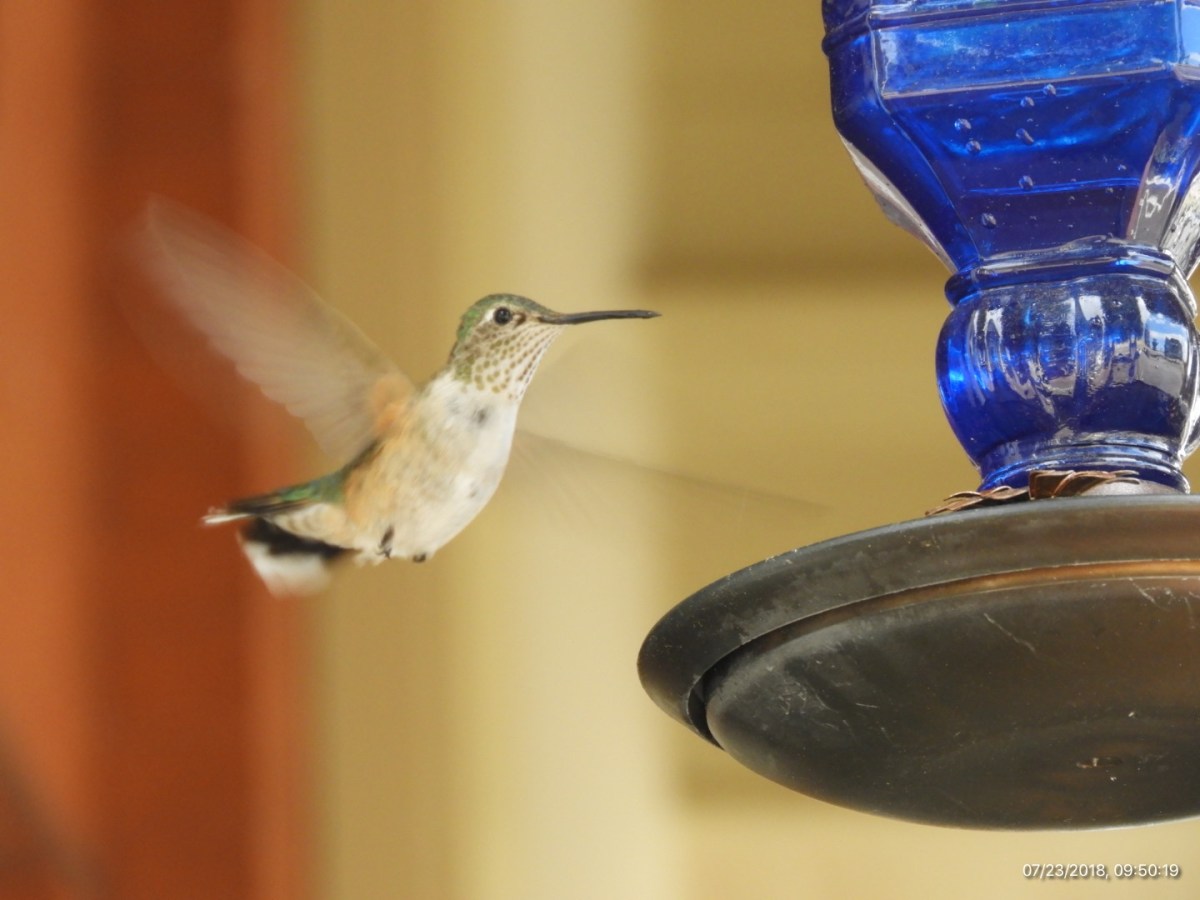
Yes, that’s right, bird is the word for today. I used to underestimate birds. Maybe that’s because they’re so small and numerous. Oh, there’s another bird flying by… big deal. My ambivalent attitude ended when my husband started using a Nikon Coolpix Superzoom camera. Initially he bought it to photograph larger wildlife. But he needed some practice, so he started zooming in on birds. After all, birds are all around us.
Fast forward to our recent Colorado vacation. We attended our first bird watching event in Great Sand Dunes National Park. I discovered bird watching is a relaxing way to spend an hour or two. Of course, in order to see birds one needs to be an early riser, which might leave a few people out.
The main point of birdwatching is to identify birds. In order to accomplish this goal it’s important to pay attention and listen. Wow! Those two things might leave a few more people out. But if you challenge yourself to watch and listen at the same time here are the five elements necessary to identifying birds.
- Size
- Color (which includes individual markings)
- Habitat
- Flight pattern
- Song (when walking in a dense forest it’s hard to see birds in tall trees)
Resources are available to help anyone get started. Our guide recommended a book, Sibley’s Field Guide to Birds, for either the Eastern U.S. or Western U.S. depending on your location. And as you can imagine, there are iPhone apps to help you learn the songs of birds. If you are interested read this review for more more information. Our guide recommended using bird call apps responsibly when you are in the field because they can disturb whatever birds might be in the vicinity.

In addition to attending a bird watching walk, anyone can set up a bird feeder in their backyard to watch birds at home. During our trip to Colorado we saw numerous hummingbird feeders at restaurants and hotels. After several encounters, we identified different varieties of hummingbirds and discovered some are very territorial. One kind, the Ruby-throated, hid in the bushes until the Broad-tail hummingbirds settled at the feeder. The Ruby-throated bird rushed out of its hiding place. It perched on top of the shepherd’s hook, then buzzed all the other birds until it had the feeder all to itself.
Enjoy my video of the cut-throat competition among hummingbirds.
I must say my first attempt at making this video was cut short because one aggressive hummingbird buzzed me!
Bird watching is an educational family friendly activity. Now you know why the bird is the word. If you like birds check out my previous post Cardinal Virtues.
I appreciate you, dear followers. Please share my posts on your social media sites to increase my audience. For new readers, please sign up to follow me. You will receive notifications by email of new postings.




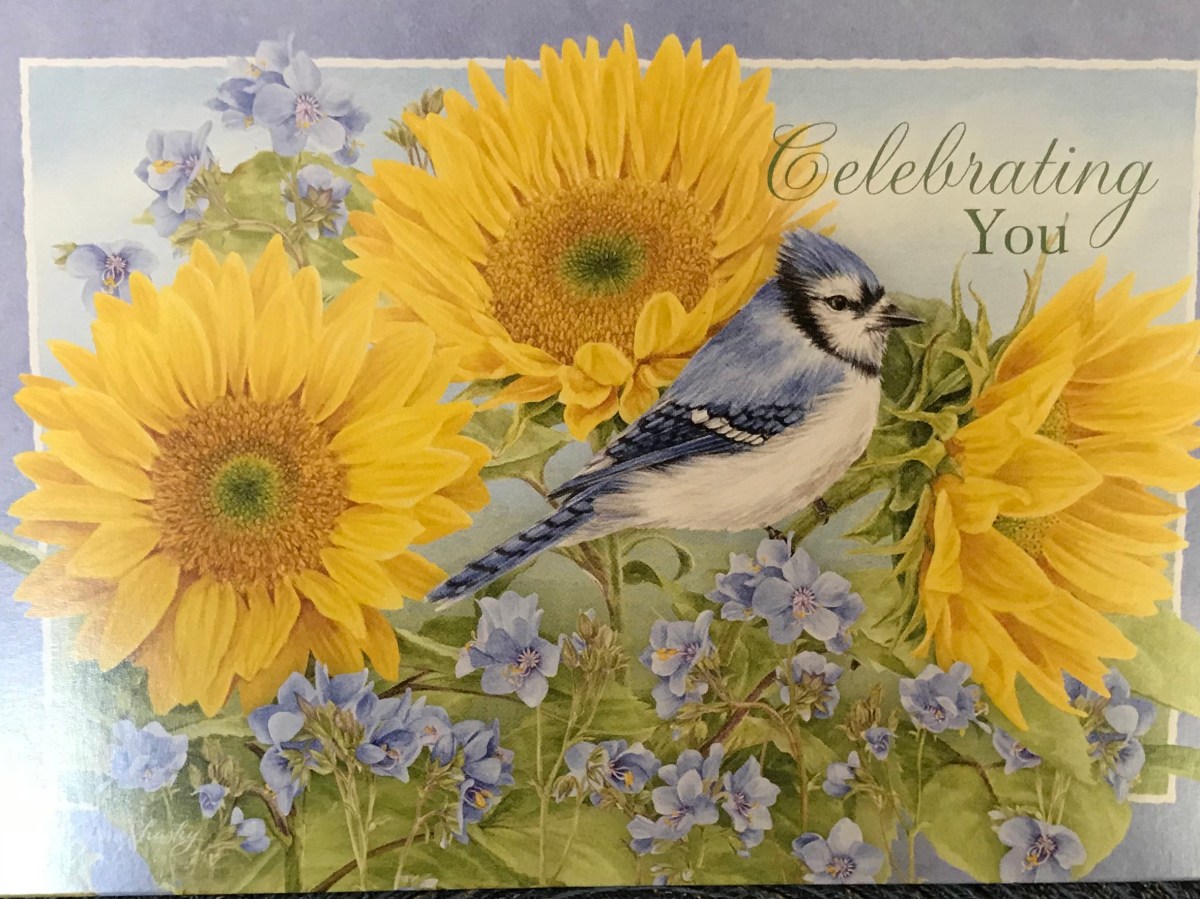


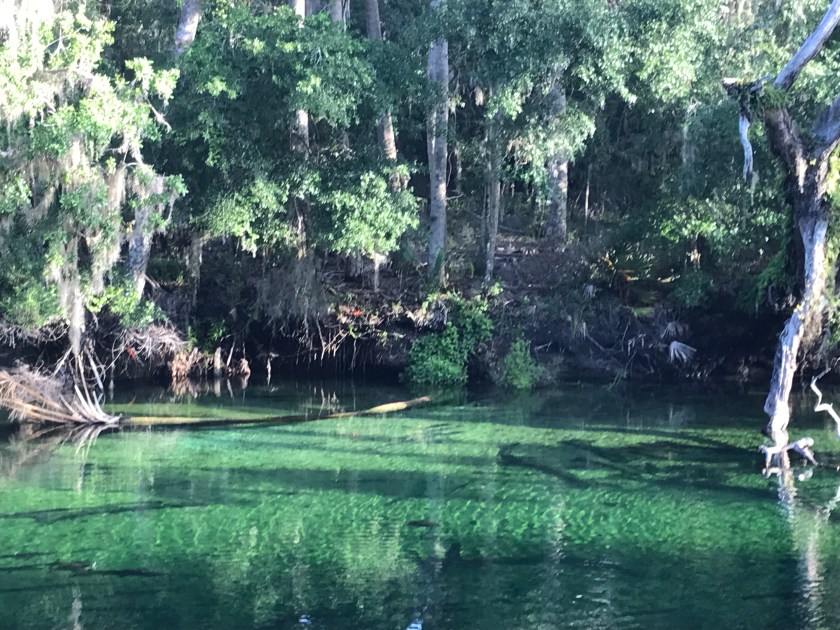 I can’t leave without sharing the photo of the egret.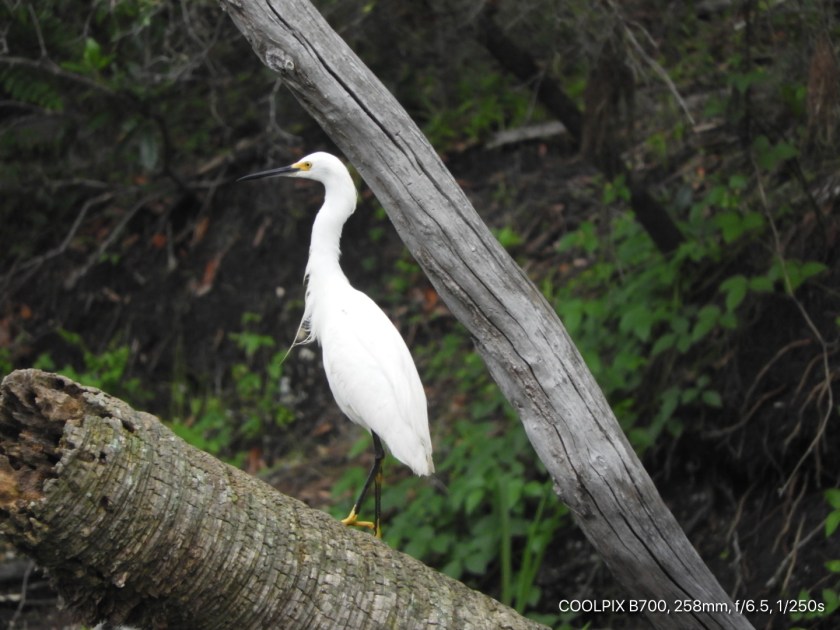


 Looking at a piece of coquina, it’s hard to believe a rock comprised mostly of shells would be very strong. The Spanish learned that although coquina is soft when first quarried, the stone hardens as it dries. Construction of the Castillo began in 1672. There are over 400,000 blocks of coquina in the fort, all cut and set by hand. The people of St. Augustine weren’t playing around this time. They had one goal: survival.
 A drawbridge provides the only entry. Standing on the bridge, a person might think it once crossed a moat filled with alligators. Not so, the low ground around the fort was used to graze animals. The Castillo was built as a place of refuge for the townspeople of St. Augustine. Most Spanish soldiers lived in town and shared guard duty. In a sense, the Castillo was a castle, built to protect the community in times of war.
 It’s amazing to think that the small courtyard housed 1,500 soldiers and civilians for fifty-one days when the English attacked St. Augustine in 1702. The rooms around the courtyard housed food and military supplies. Enemy cannonballs bounced off or got stuck in the coquina without breaking it. Their defense plan worked.
 debbieburton.blog