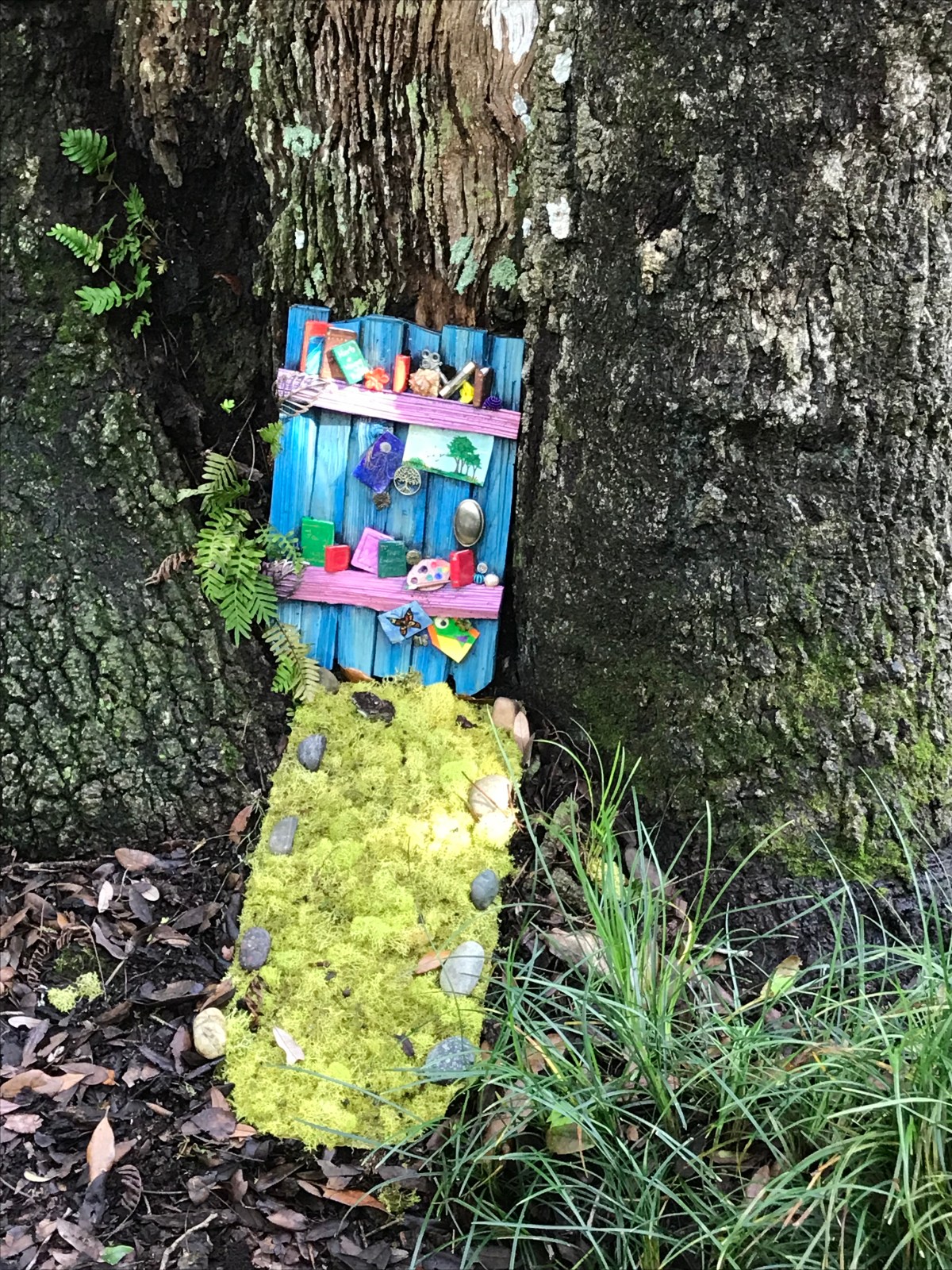
Have you ever wondered what the door to your imagination might look like? If I could create such a door, it would be similar to the one in my featured image. This is the door to creativity, a place for writers and painters. Inside is a library of books, works of art, and maybe even the internet!
Where do you receive inspiration? Many people find it in nature, listening to music, or spending time with God in prayer. If you’re a creative person you know the importance of taking time to breathe in. By taking time to inhale the creativity around us, we become more creative.
Author, E.M. Forster wrote, “In the creative state a man is taken out of himself. He lets down, as it were, a bucket into his subconscious, and draws up something that is normally beyond his reach. He mixes this thing with his normal experiences and out of the mixture he makes a work of art.”
So what keeps us from accessing these places beyond our reach? For some of us it’s the busyness of life. For many of us it’s fear. When we are unsure how the finished product will look, or how it might be received by others, we quit even before we begin. We never access the areas of the imagination beyond our reach.
Some people experience writer’s block. This might happen when we rely too much on ourselves for ideas. If we step back and take time to do something which inspires us, we can find new inspiration. A wonderful book to read on this subject is The Creative Call by Janice Elsheimer.
Where do you get creative ideas? In your sleep? In the shower? When you’re taking a walk? Sometimes when we allow our minds to relax fresh ideas come to the forefront of our brains. I love the “Aha” moment!
Writing is not just about hitting the keys. It means taking time to recharge and reenergize ourselves. It means taking time to play and imagine like we did as children. Make a bucket list of places you might go to for inspiration. You don’t need to travel far. Visit a local garden or gallery.
The door in my feature image was created by Colin Woley. It’s part of the Enchanted Fairy Door Exhibit at Leu Gardens in Orlando. This whimsical exhibit will delight your imagination. The tiny doors are placed in various locations throughout the fifty-acre garden. The exhibit is on display until September 23, 2018.






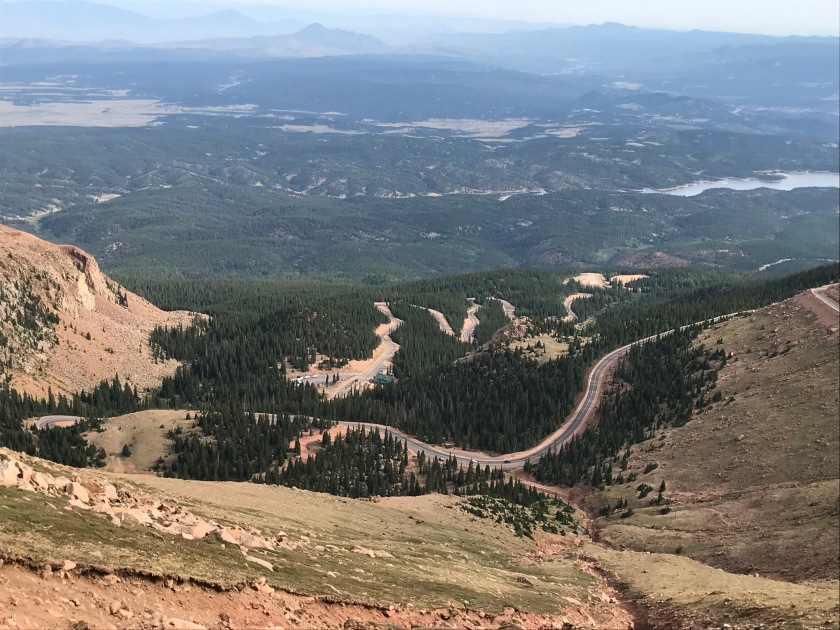
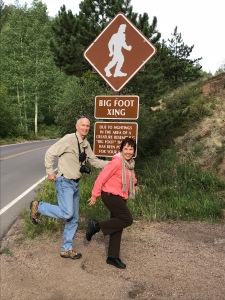 Several Big Foot sightings near Pikes Peak prompted the locals to post a sign on the highway warning visitors to be on the alert. At this pull-off Bear took our picture doing what he called “The Big Foot Shuffle.”