

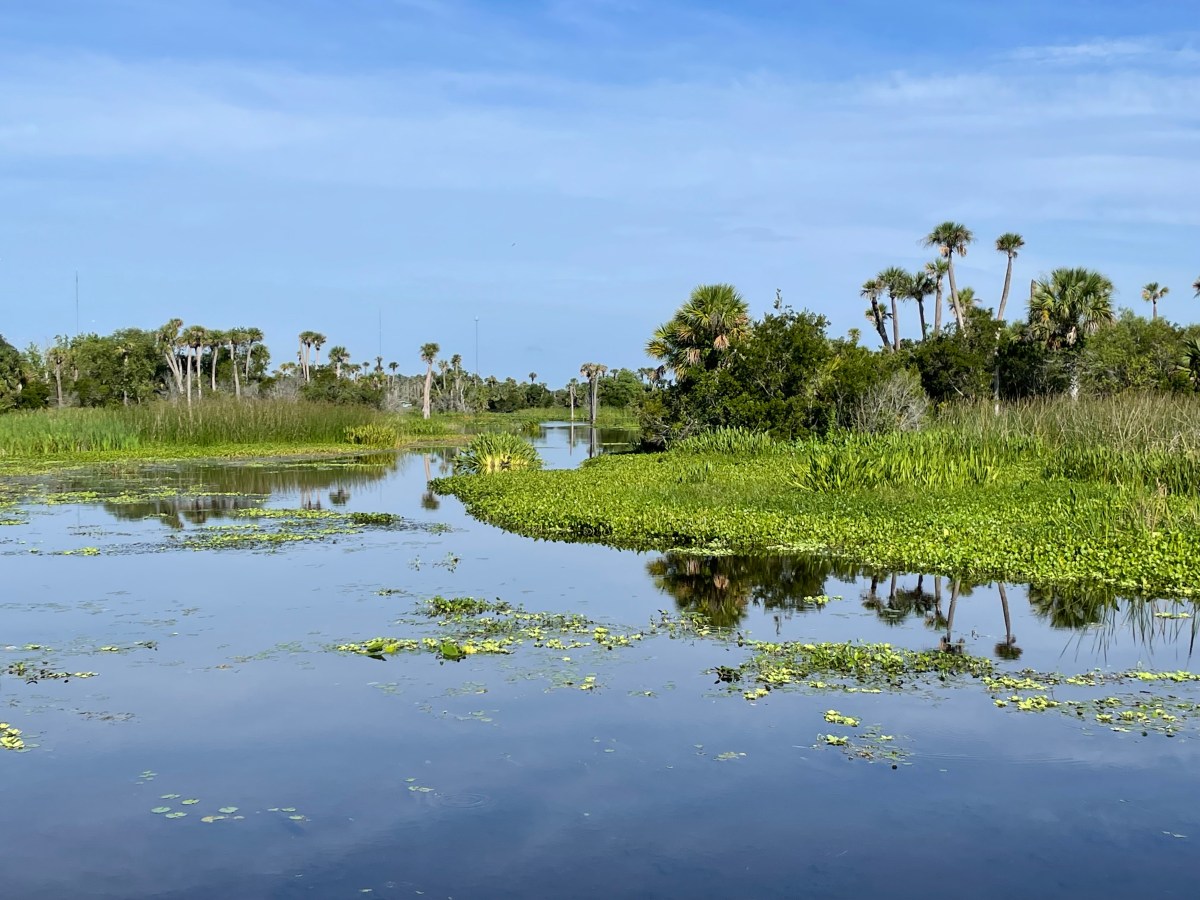
Remember the 1989 movie Field of Dreams? An Iowa farmer named Ray Kinsella walks through his cornfield and hears a “voice” which says, “If you build it— he will come.” Ray responds by turning his cornfield into a baseball diamond, and creates a place for deceased players to redeem their lost opportunities to play baseball. By doing so, Kinsella sacrifices a profit from the sale of corn in order to fulfill a higher calling.
Connections can be made between this movie and other situations. The growth and development of central Florida is one example. After the Civil War, the early settlers drained the wet prairie for agricultural purposes and cattle grazing. During the 1900s the population of Orlando continued to grow, and the construction of more housing developments meant that more wetlands were drained.
The loss of Florida wetlands has had a major effect on water quality, flood control, and wildlife habitats. Wetlands filter pollutants, and play a crucial role in recharging the aquifer, a vital source of drinking water.
In 1986 city of Orlando officials heard the “voice” of the environment when they came up with an innovative solution for the disposal of reclaimed sewer water. The city purchased 1,650 acres of former pasture land and converted it to a man-made wetland near Fort Christmas. Orlando Wetlands was designed to further purify treated sewage water discharged from the Iron Bridge Water Reclamation Facility. The reclaimed water enters the southwestern edge of the property, and over a period of forty days meanders through various marshes, swamps, and Lake Searcy, before flowing into the St. Johns River.
So what does all this have to do with the Field of Dreams? Instead of attracting the ghosts of former baseball players, Orlando Wetlands attracts an abundance of living creatures. The wetlands provide a habitat for numerous animal species including otter, bobcat, deer, turtles, snakes, alligators, and over 220 species of birds. Eighteen of these species are listed as threatened, endangered, or protected. I like to think of it as an opportunity for animals to live in a place they had once been evicted from.
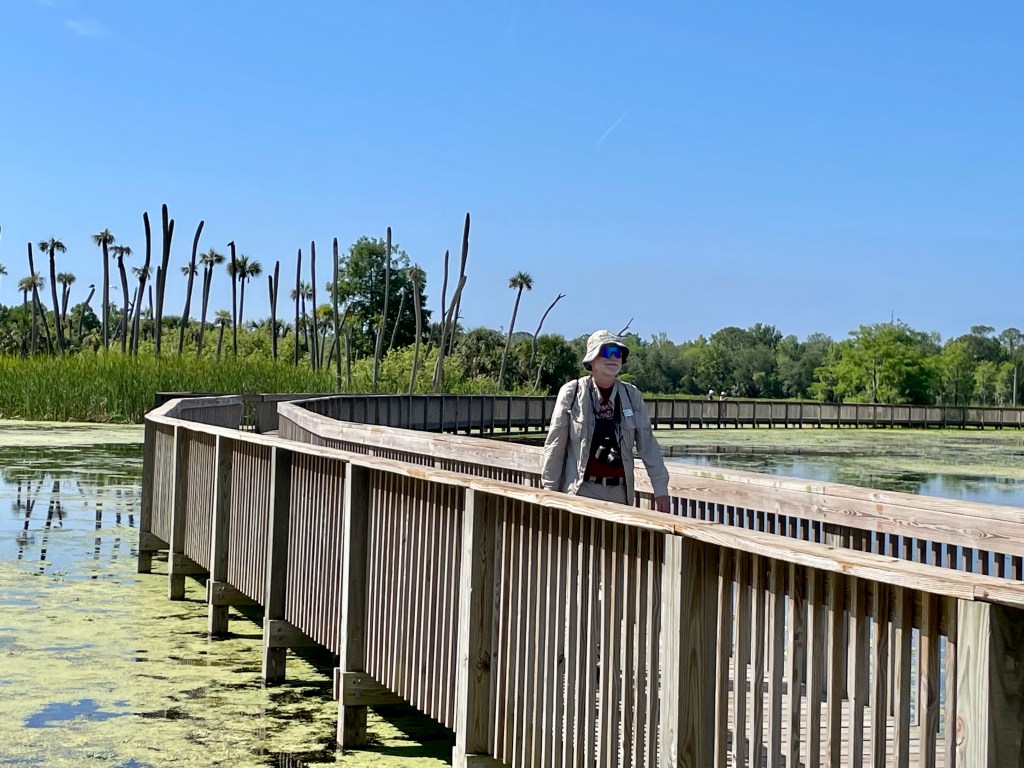
Orlando Wetlands is open to the public and admission is free. My husband, Herb, and I visited the park and walked the half-mile Cypress Boardwalk which affords close-up views of aquatic wildlife.
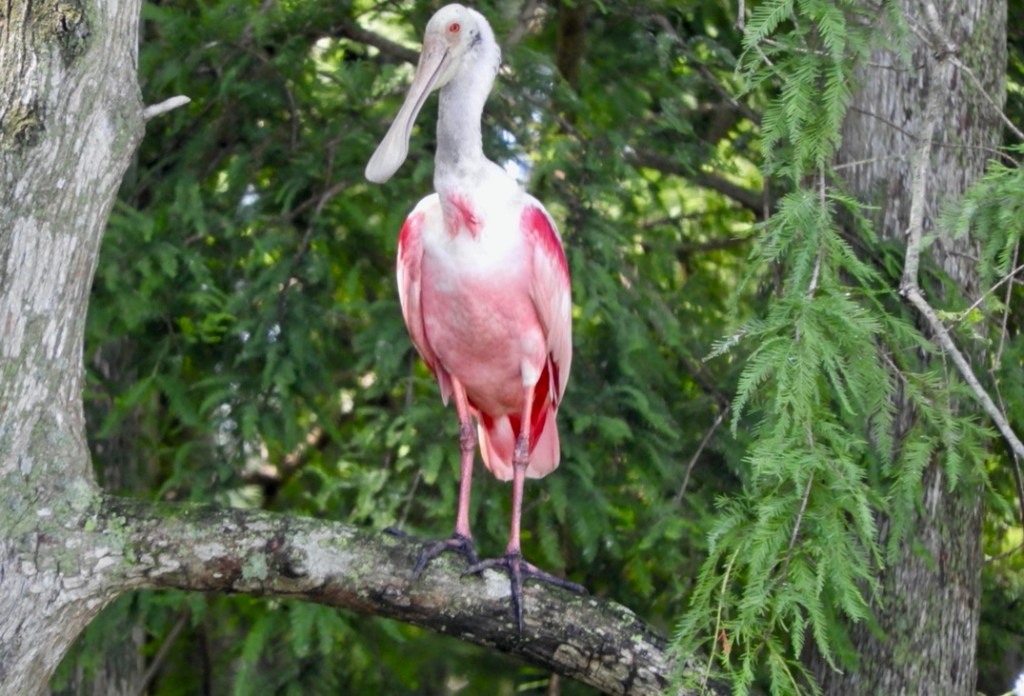
Beautiful Roseate Spoonbills roost in a grove of bald cypress trees near the boardwalk. Herb snapped this photo with his zoom lens. Did you know a baby spoonbill is called a teaspoon?

I can’t say this species is endangered. The Florida Fish and Wildlife Commission estimates there are over 1.3 million alligators in Florida.
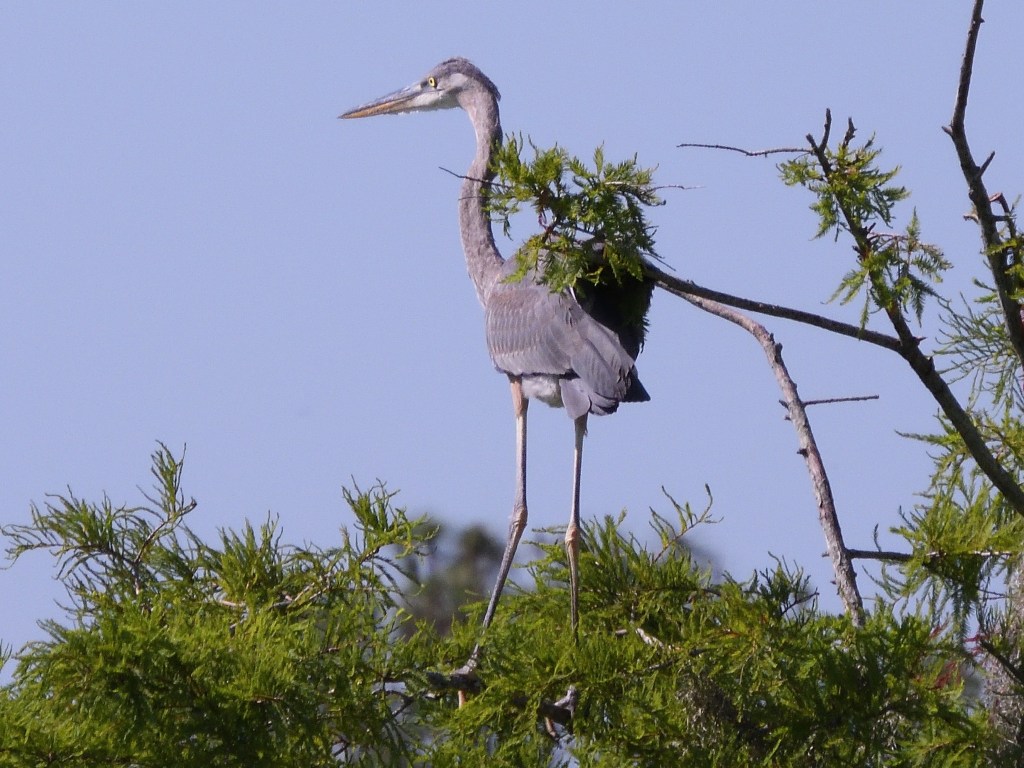
This tree top provides a place to rest for the Great Blue Heron, while allowing the bird to focus on what’s happening in the marsh below.

I’m not sure what kind of bird this is. If you can identify it, leave a comment. It makes a lot noise!
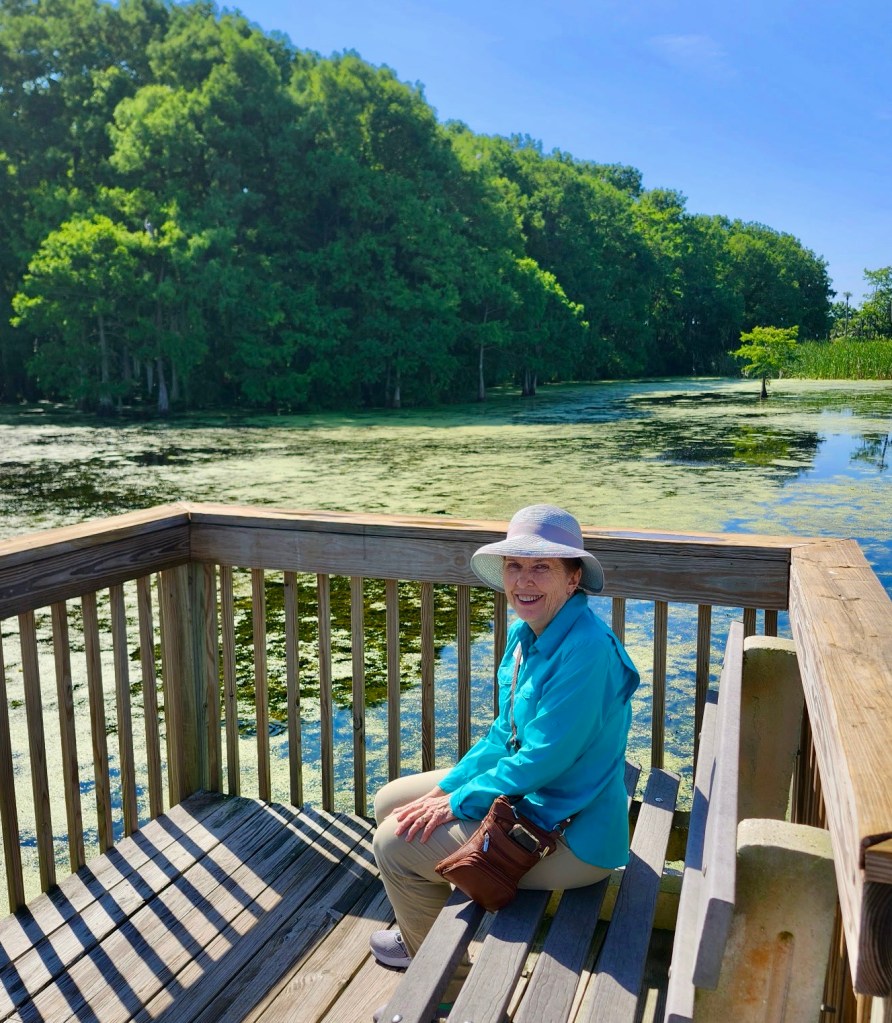
Summer is a challenging time to explore the outdoors in Florida. Wear a hat, carry water, and take breaks often. Follow the link for more information about visiting Orlando Wetlands.
 debbieburton.blog