

Dear Readers,
I apologize for my long absence from my blog. Would you believe I was stuck in an elevator for three months? (No. I didn’t think you would accept that excuse.) Before 2025 slides into 2026 I’d like to share a travel experience with you. When I was young I made a list of places I wanted to see in my life and Iceland was at the top of my list. The land of fire and ice intrigued me, but my dream seemed out of reach.
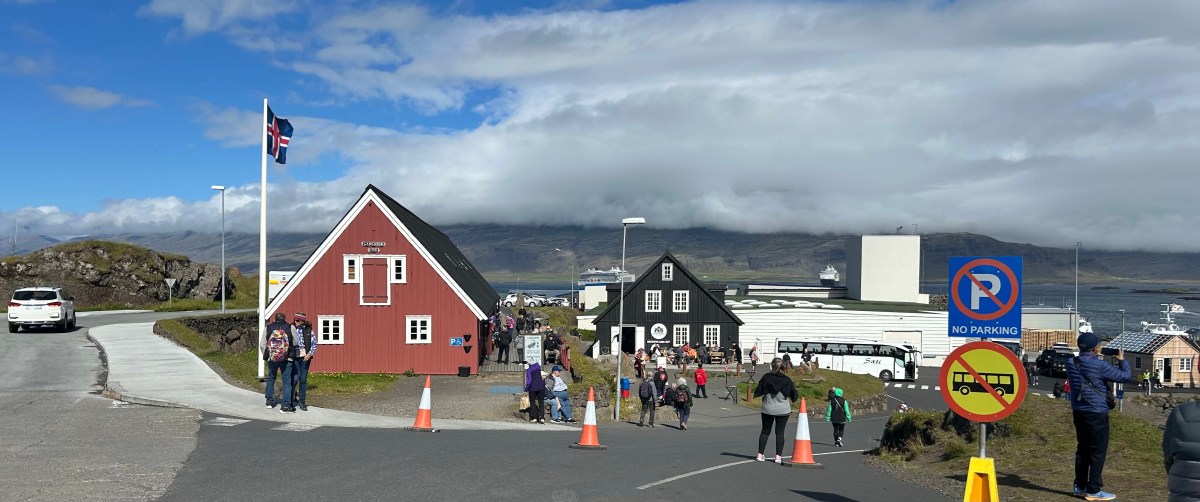
Finally in 2025 as senior citizens, my husband and I took the opportunity to book a Viking cruise which circled Iceland. We visited many towns I could write about, but Djupivogur is a port which stands out above the rest.
Djupivogur might be one of the world’s smallest towns, but it is grand with natural beauty. Located on a fjord in eastern Iceland, the surrounding landscape features snow-capped mountains, black sand beaches, and magma dykes formed by volcanic eruptions millions of years ago. In winter the Northern Lights dance across the sky.

A trading center since the 16th century, Djupivogur shipped salted meats, fish, and Icelandic wool to Europe throughout the 18th and 19th centuries. Fishing remains a significant part of the village’s economy, but in recent years the tourist industry has grown.
During the summer months the population swells, but the number of people who live in Djupivogur year round is only 450. Although the town welcomes outsiders, they are a tight-knit community. Due to their low numbers adults serve multiple roles. Our local guide worked in a fish oil processing plant, and served as an on-call plumber. He also belonged to the emergency search and rescue team. This is the kind of town where everyone knows one another. Folks are willing to drop whatever they are doing to help out when needed.
I was interested to learn that Djupivogur has adopted the cultural trend known as “Cittaslow” (slow city). This philosophy is dedicated to eco-friendly practices and the preservation of a town’s cultural heritage. The citizens do not want commercialization to take over. Which happens often in scenic areas that give way to the rise of fast food and gift shops selling products made elsewhere. Djupivogur is one of 260 small towns around the world committed to a less stressful and more community oriented way of life.
Like many of the Icelandic guides we met, our escort moved from Djupivogur to further his education in the “big city” of Reykjavik. Once he completed the requirements to become a licensed plumber, he returned because he found city life too stressful. As we walked the quiet streets he asked, “Do you wonder what we do for entertainment in a town of 450 people?” His question captured our interest as we climbed a small hill toward what appeared to be a rusty oil tank. Upon our arrival he announced we would be hearing a concert in Tankurinn, a fish oil tank which had been transformed into an exhibition space for music.

He opened the door and we took our seats in the “auditorium” of sorts. Plastic patio chairs were lined up across from burning candles on the floor. After the vocalist entered the tank, the door closed and she commenced to sing. I was amazed to hear sounds unlike any I’d ever heard before. The acoustics and reverberations made it seem as if many more singers were in the room.
Our visit to Djupivogur gave me new appreciation for small town life. I can understand why our guide decided there is no place else he would rather live. If you read this post and decide you want to move there, please don’t. Too many people would spoil everything.
The moral of my story is this: Never stop dreaming. What seems far away today may be closer than you think.

For those of you who are interested, I am creating an author newsletter to stay in contact with readers of my children’s books. “Time Together” will include ideas for fun activities parents and grandparents can do with their young children. If you want to subscribe to my newsletter click here and complete the information. Include “subscribe to newsletter” in the message box.
 debbieburton.blog