Do You Like Your Job?

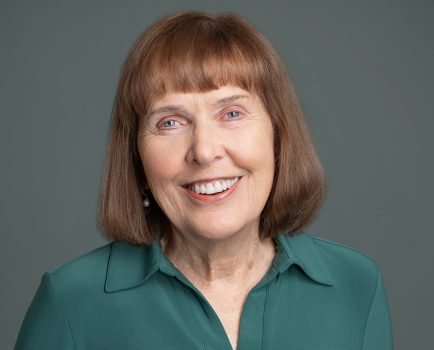
Most people would agree there are things they like and dislike about their job. In my featured photo I’m shown working at my desk when I taught third grade. I look happy. Maybe this was taken on a Friday after school dismissed!

Now that I’m retired, I look back on my career with amazement. How did I do it? How does any teacher manage to fulfill all the expectations of the position? The only way I survived was by learning how to multi-task. Somehow teachers take attendance, listen to morning announcements, and keep an eye on the class all at the same time. Like a jack of all trades, a teacher fulfills many roles.

On Labor Day, we pay tribute to the contributions and achievements of American workers. For most workers our jobs are the most important thing in our lives.  After years of working at the same job, we begin to identify ourselves by our career. When introduced to someone, we ask, “What do you do for a living?” This pattern continues during retirement, “What did you retire from?”

It’s difficult for people to retire because it’s hard to imagine a life without work. Some feel like life will have no purpose or meaning. I’m often asked, “So what do you do all day?”

“I fill my days in much the same way I did during summer vacation. The big difference is I never reach a date on the calendar when I start to feel anxious about school starting again.”

We confuse the value of our work with the amount of money we receive for it. When I stayed at home to care for my preschool children, I received no income, but the experiences we shared were invaluable. Our “self-worth” should not be dependent on our level of income.

Do you feel undervalued at work? Comedian George Carlin said, “The caterpillar does all the work, but the butterfly gets all the publicity.”

Too bad Mr. Carlin seems to have forgotten, the butterfly once was the caterpillar. If I work at something with all my heart, I feel content knowing I’ve done my best, even if no one else seems to notice.

One of my favorite scriptures reads, “Whatever you do, work at it with all your heart, as working for the Lord, not for men, since you know that you will receive an inheritance from the Lord as a reward. It is the Lord Christ you are serving. Colossians 3:23,24 NIV

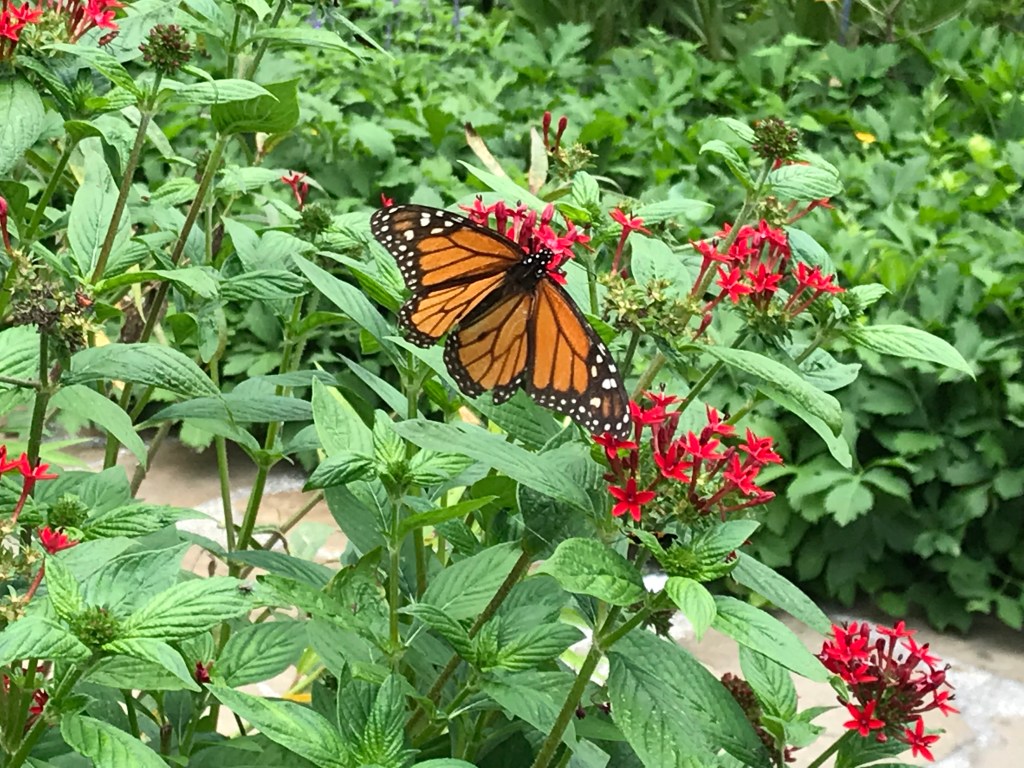
Engaging in our work changes us. Our “on the job experiences” teach us new skills. By trial and error we learn new ways of problem solving to accomplish our goals. Eventually we discover that like the monarch, we can fly!

Happy Labor Day!

If you’ve enjoyed my musings about work, please subscribe to be notified of future posts. Thanks!

Shedding Light on the Dog Days of Summer

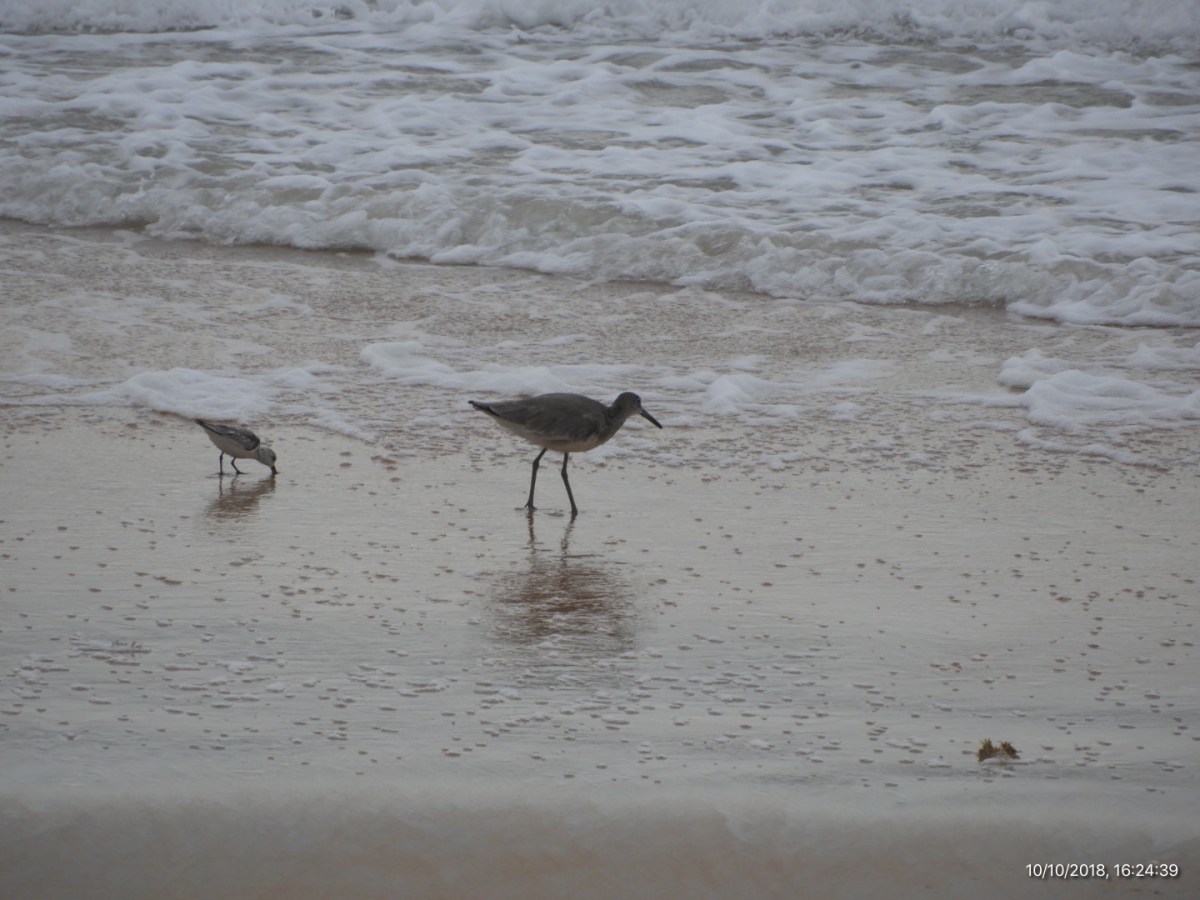
Welcome to the “dog days” of summer, the time of year when heat and humidity force many of us indoors. As a Floridian, I think of this season as our winter. Some of us estivate in our air-conditioned homes and only come out to buy groceries or take the trash out. That is, unless we need to walk a dog.

Until recently I associated the phrase “dog days of summer” with the time of year when dogs pant more frequently and lie down more often. Dogs feel the heat just like their humans. But instead of sweating, our furry friends cool themselves by panting. When dogs inhale and exhale rapidly, the evaporation of water allows them to cool their body from the inside out. Dog owners know that they need to supply plenty of fresh water and shade to keep their pet from overheating.

Actually the phrase “dog days of summer” has nothing to do with the habits of dogs. According to the Old Farmer’s Almanac the “dog days” begin in the Northern Hemisphere on July 3, and last for forty days until August 11. (Unless you live in Florida, where the “dog days” seem to last until October.)

The phrase originated with the ancient Greeks, who discovered the rise of the Sirius star in the summer. The name Sirius stems from the Greek word “Seirious,” which means scorching or glowing. Sirius is part of the constellation Canis Majoris (the Greater Dog) and is the brightest star in the night sky. The Romans nicknamed Sirius the Dog Star, which led to referring to the hottest part of the summer as the “dog days”. The phrase stuck.

The ancient Greeks and Romans thought Sirius emitted heat and contributed to the rise in temperature during the summer. The Egyptians correlated the flooding of the Nile River with the “dog days.” Sirius became a “watchdog” for this weather event. No matter how you look at it, summer ushered in a time of extreme weather conditions. The Romans saw the rise of Sirius as a bad omen, responsible for drought, disease, discomfort, and insanity. They even went so far as to sacrifice dogs in hope of appeasing the Dog Star. Excuse my pun, but might that be a hot dog?

The ancients didn’t understand that the “dog days” are caused by earth’s orbit around the Sun. Remember our general science class where we learned that the northern hemisphere receives the most direct angle of sunlight in the summer? Soon after the June twentieth summer solstice, the North Pole is at its maximum tilt toward the Sun which makes our days longer and hotter. Sirius is hotter than the Sun, but it does not affect our weather because it’s further away—8.6 light years from Earth. 

Whew! I feel better knowing this uncomfortable season was not named after man’s best friend. Aren’t you thankful we live in the year 2025? During our “dog days” we can run to the comfort of air-conditioning and take Fido with us.  

Seeking A Life of Simplicity

What does it mean to simplify? Consuming natural foods? Downsizing your possessions? Saying no to those who make demands on your time? All of these actions can contribute to less stress, better health, and greater happiness.

Throughout history many writers and teachers have voiced the importance of living simply. The ancient Greek philosopher Democritus (460-370 B.C.) wrote “Let your occupations be few, if you would lead a tranquil life.” Jesus taught that we should trust God and not get caught up in the busyness of life. Thoreau believed spending time in nature is the key to a life with less anxiety. By listening to all of these different voices, we can conclude that living simply is the way to find peace, happiness, and a closer relationship with God.

I’m sure we can all remember simpler times in our lives. As children, we occupied ourselves with play and our worries were few. We relied upon our parents to meet most of our needs. Later life became more complicated when we joined the workforce in order to make a living. Even so, the technological advances of the past fifty years made our jobs easier, not more difficult.

Today’s modern conveniences make it possible to spend less time on household chores compared to our parents and grandparents. One would think we would be the most contented people who ever lived. Instead many of us feel frazzled and exhausted from trying to keep up with our busy calendar. Could it be that we have too many choices to make regarding how to spend our free time?

When I retired from teaching I felt unmoored. I needed to do something meaningful to fill my day. Once I expressed my feelings to a friend. He said, “There are many things you could do, but only pursue one thing.” At the time I’m not sure he was aware of the significance of his words. His suggestion opened my eyes to the truth about myself. I wanted to write, and I’ve been writing ever since. Hence, the founding of this blog in 2016.

Now I live in a retirement community and I am surprised at the schedule of activities which are offered. We have fitness classes, trips, chef’s demos, lectures, drop-in-bridge, ice cream socials, and shuffleboard! Yet, here I am— sitting at my laptop, banging on the keys.

But I am as happy as a clam because I’ve said yes to the “one thing.”

If you feel pulled in many directions and can’t seem to find a moment’s peace, stop and ask yourself, “How can I best spend my time in a way that brings purpose to my life and also encourages others?”

Then start doing it!

The Allure of “Alone”

My favorite television program is “Alone.” If you’ve never seen it, ten individuals compete in a contest for a prize of $500,000. Each contestant camps alone on a tract of land. The object of the contest is to survive living in the wilderness by relying on their own skills. Most of the programs I’ve watched take place in northern Canada during the late fall and winter. The contestants are permitted to bring ten items which can be used to construct shelter and procure food. Every contender is supplied with cameras to film their experiences.

I like the show because the producers choose beautiful wild settings for the contest. As a viewer, and someone who enjoys the outdoors, I feel drawn into their world when I hear the rustle of leaves and rippling water. I imagine the fragrance of the pines and the smoke of the campfire.

Each episode follows the various characters through their struggle to survive. Some people decide to build a shelter right away while others decide finding food is their first priority. Each setting includes access to a lake. In order to insure it is free from bacteria, the water must be boiled.

Contestants collect edible plants, fish, and hunt for food with primitive tools. Guns are not permitted. After a successful catch or kill, the meat is sometimes stored for future use. This too, is a challenge, since food caches draw scavengers like pine martins, bears, and wolves. The contest is not only among contestants, but with nature itself.

Anytime during the contest a participant can “tap out” by using a special phone. Some contestants tap out after a few days due to injury or illness. Gastro-intestinal issues are common when a person eats something deadly. I would not enjoy eating some of the animals the contestants eat. But if you’re hungry, anything’s game! The last man or woman standing earns the prize money. I have watched episodes where the winner of the contest survived for 80 days.

The real test for every contestant is overcoming loneliness. Everyone misses their family members. Some contestants focus on winning the money and how they plan to spend it. This goal keeps them going for awhile, but loneliness eventually consumes even the most introverted person. Some contestants have created dolls and statues to talk to. Everyone talks to the camera, because eventually the show will be produced and their loved ones will watch. The contestants pretend they are actually talking to someone—but no one talks back.

One contender remarked that that he understood why prisons use solitary confinement to punish people. It is difficult to be alone with your own thoughts and stay positive. Love is a force which empowers humans to live. Relationships change our objective from physical survival to living for a higher purpose. In addition, working cooperatively can accomplish more in less time.

The author of Ecclesiastes speaks to the benefit of friendship. “Two are better than one, because they have good return for their work. If one falls down, his friend can help him up. But pity the man who falls down and has no one to help him up.” Eccl. 4:9 NIV

The contestants on “Alone” are allured by an idea of rugged individualism. But each season of the show teaches the same lesson. People need people. The program makes me appreciate the life I live, and my relationships which make life meaningful.

When I compare my outdoor skills with these survival experts I know I wouldn’t stand a chance of lasting more than one night. What would you miss most?

The Power of Lists

Have you ever stopped to think about how many lists there are in the world? I’ll begin by listing a few of them.

  • to-do-list
  • reading list
  • guest list
  • wait list
  • class list
  • wish list
  • bucket list
  • grocery list
  • packing list
  • FBI most wanted list….

This week I’m packing for a trip, so I made a list of everything I want to take with me. This method is not entirely fool-proof, but it helps. I wonder about people who literally, “fly by the seat of their pants,” and wait until the last minute to pack. Making a list is not for them. I’ve had experiences with family members who don’t pack enough clothes, and are forced to visit gift stores when they need a clean shirt.

A list helps me remember things. As I age, writing things down gives me a sense of security and organization. Yes, I’m one of those people who makes a weekly menu and writes down all of the items I need from the grocery. One time I lost my grocery list at the store. A feeling of panic flooded my mind and I wondered how I could function. After taking a deep breath, I realized I usually need the same staples every time I shop. Strolling through each aisle stimulated my memory. “Ok… cereal, fruit, milk, bread, turkey… (I think we’ll survive.)”

What about to-do-lists? Do you enjoy a sense of accomplishment as you complete each task and check it off the list? Too often I write too many tasks and need to carry them over to the next day, or maybe even the next week. Making and keeping lists can be time consuming and leave you depressed if you don’t accomplish what you set out to do.

What’s the point of having your whole day crossed out before you go to bed? Extend that to crossing out weeks, months, years, and even your whole life. To-do-lists are mostly for boring, unpleasant tasks that no one really wants to do. Some of the most memorable moments of our lives happen in between the entries on our list. Who writes down, “eat ice cream today,” or “sit on the front porch and enjoy the sunset?”

Speaking of enjoying life, many people write bucket lists which include exotic places to visit and adventurous activities. I’m curious, do most people write their bucket list in one sitting, or do they continually add to it? For the unimaginative, see the 55 Best Bucket List Ideas to Help you Live your Life to the Fullest.  

According to psychotherapist Karen Balumba-Bennett, people who are intentional about writing down their goals are more likely to reach them. Some bucket list ideas require time, money, and travel but there are plenty of simple things you can accomplish at home. By the way, I noticed one idea on the list is “watch the sunrise.”

Bucket lists should facilitate getting more out of life and not fulfilling duties. Balumba-Bennett believes in allowing yourself the flexibility to alter your list from year to year if your goals change. A bucket list is a way to reward yourself by doing what you really want to do.

My suitcase is packed, and I’m ready to check off another bucket list item. Vacation is calling…

Do You Like Your Job?

Most people would agree there are things they like and dislike about their job. In my featured photo I’m shown working at my desk when I taught third grade. I look happy. Maybe this was taken on a Friday after school dismissed!

Now that I’m retired, I look back on my career with amazement. How did I do it? How does any teacher manage to fulfill all the expectations of the position? The only way I survived was by learning how to multi-task. Somehow teachers take attendance, listen to morning announcements, and keep an eye on the class all at the same time. Like a jack of all trades, a teacher fulfills many roles.

On Labor Day, we pay tribute to the contributions and achievements of American workers. For most workers our jobs are the most important thing in our lives.  After years of working at the same job, we begin to identify ourselves by our career. When introduced to someone, we ask, “What do you do for a living?” This pattern continues during retirement, “What did you retire from?”

It’s difficult for people to retire because it’s hard to imagine a life without work. Some feel like life will have no purpose or meaning. I’m often asked, “So what do you do all day?”

“I fill my days in much the same way I did during summer vacation. The big difference is I never reach a date on the calendar when I start to feel anxious about school starting again.”

We confuse the value of our work with the amount of money we receive for it. When I stayed at home to care for my preschool children, I received no income, but the experiences we shared were invaluable. Our “self-worth” should not be dependent on our level of income.

Do you feel undervalued at work? Comedian George Carlin said, “The caterpillar does all the work, but the butterfly gets all the publicity.”

Too bad Mr. Carlin seems to have forgotten, the butterfly once was the caterpillar. If I work at something with all my heart, I feel content knowing I’ve done my best, even if no one else seems to notice.

One of my favorite scriptures reads, “Whatever you do, work at it with all your heart, as working for the Lord, not for men, since you know that you will receive an inheritance from the Lord as a reward. It is the Lord Christ you are serving. Colossians 3:23,24 NIV

IMG_4212

Engaging in our work changes us. Our “on the job experiences” teach us new skills. By trial and error we learn new ways of problem solving to accomplish our goals. Eventually we discover that like the monarch, we can fly!

Happy Labor Day!

If you’ve enjoyed my musings about work, please subscribe to be notified of future posts. Thanks!